

04/07/2026
By Buddy Kenjura
With the temperatures on the rise, and summer on the horizon, you can rest assured that those ‘creepy crawlies’ are going to start coming out of their hiding spots, and from the underground. There are plenty of pests to cover, but one that has been red hot this season for us in Washington County are FLEAS.
What I have found most common in these flea infestations are our beloved pets, or yards adjacent to our customers whom have pets in them. We love our animals, they are a large part of our families, and we try to protect them from the, quite literal, blood suckers that lurk in the yard. Here are some good tidbits of information regarding fleas to help you understand our approach to eliminating your flea infestation.
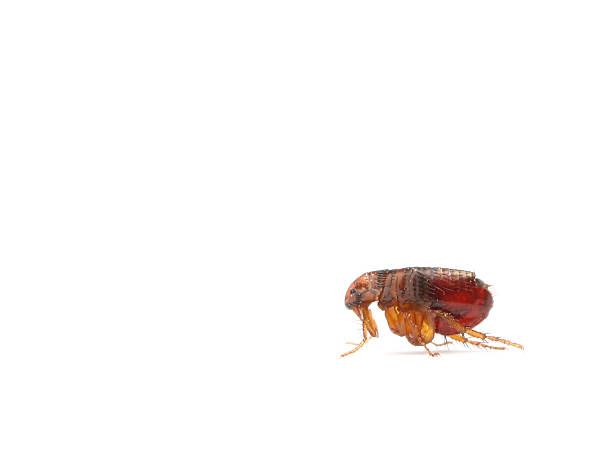
Fleas are tiny, adults range from 1/12 to 1/8 of an inch long. They can survive on host animals (like your favorite cat or dog), as well as on carpets, furniture, humans, and especially your lawn. While they may not prefer Humans, they will take a ride on us as temporary hosts, and even bite, drawing blood to ensure their processes like digestion or reproduction.
Now that we’ve covered some anatomy, what they feed on, and some of the many harboring areas that can keep a fleas population booming, lets discuss some ways to ensure you get back in control of your area.
Kenjura’s recommends the following for flea infestations:
#1 Keep your pets fur pest free!
Often times, flea treatment recommendations alongside your favorite 4 legged companion will call for some sort of relief for them through means of flea baths, flea drops, or flea preventatives. While we’re thinking about our pets, lets also be mindful of their beds and any bedding they may lay on, as those areas are definite hot spots for fleas.
Here @ Kenjura’s we always feel it’s best to consult your local Veterinarian before administering any treatment directly to your animal.
#2 Clean, Clean, Clean.
For Outdoors: fleas love humid and dark spaces. If you have excessive foliage, or an abundance of leaves on your yard or raked up in areas, it’s a best practice to eliminate these issues in order to assist treatment success rates.
For Indoors: There is no shaming when it comes to cleanliness. Everyone has their own method and ideology when it comes to their own space and how tidy we keep it. When fleas are present, it is especially important to vacuum, mop, and keep all areas inside the home as clean as possible while attempting to control infestation, unless otherwise directed by a professional.
#3 Attack them where they harbor (and potentially re-attack.)
Fleas are an insect that do a complete metamorphosis, meaning they start as an egg, and go through stages like a larva, a pupil, and finally as an adult. While there are different timings between each stages, most stages can complete themselves within 7-14 days, and a full completion of the metamorphosis can complete within 30-50 days. During the life cycle changes, certain approaches with pest control may be less-effective, allowing for populations to remain present, and while uncommon, certain levels of infestations can call for re-treatments of infested areas for up to 1-1.5 months.
While there are many over the counter methods you can attempt to approach a flea infestation with yourself, most often times it is best to contact a professional in order to effectively control a flea population outbreak due to their life cycle changes and their ability to survive up to 2 weeks without a host.
If you have any questions or would like to schedule a free estimate for fleas for your yard, home, or business, give Kenjura’s Pest Management a call today!
Kenjura’s Pest Management
512-216-3951
2342 Kenjura Ln, Unit B, Brenham, Tx 77833
TX TDA TPCL# 0985406
Licensed and regulated by: Texas Department of Agriculture, P.O. Box 12847, Austin, TX 78711-2847, Phone (866) 918-4481, Fax (888) 232-2567
 Kenjura's Pest Management
Leave a comment